

Over the last ten years, the average UK household spent more than 12 hours a week on a phone or tablet. By 2024 that figure climbed to 15 hours, catapulting mobile gaming into the spotlight of leisure. Today’s entertainment landscape is a single app that can replace a cinema outing, a night out, and a subscription service all at once.
Instant Access and Micro‑Engagement
Traditional console titles often demand downloads of 20–30 GB, whereas most mobile games sit between 300–500 MB. A new title can therefore be playable within minutes of download, keeping players hooked on short, repeatable sessions. Developers exploit this by launching daily challenges that reward in‑app currency, creating a cycle of engagement that brings users back every 24–48 hours.
Personalised Content Through Data
Every tap, swipe and purchase leaves a data trail. Machine‑learning algorithms sift through this information to suggest games that match a player’s style. One app, for instance, examines a player’s past 30 days of activity and recommends a strategy game that is 70 % more likely to be played than a random pick. Such precise targeting was impossible on older platforms where players had to manually hunt for new titles.
Social Integration and Community Growth
Modern mobile games embed chat, friend lists and live leaderboards directly into the app. A 2023 study found that players who interacted with friends in game earned 35 % more in‑app purchases than those who played solo. The result is a network effect that turns casual gamers into loyal communities, often spilling over into other social media channels.
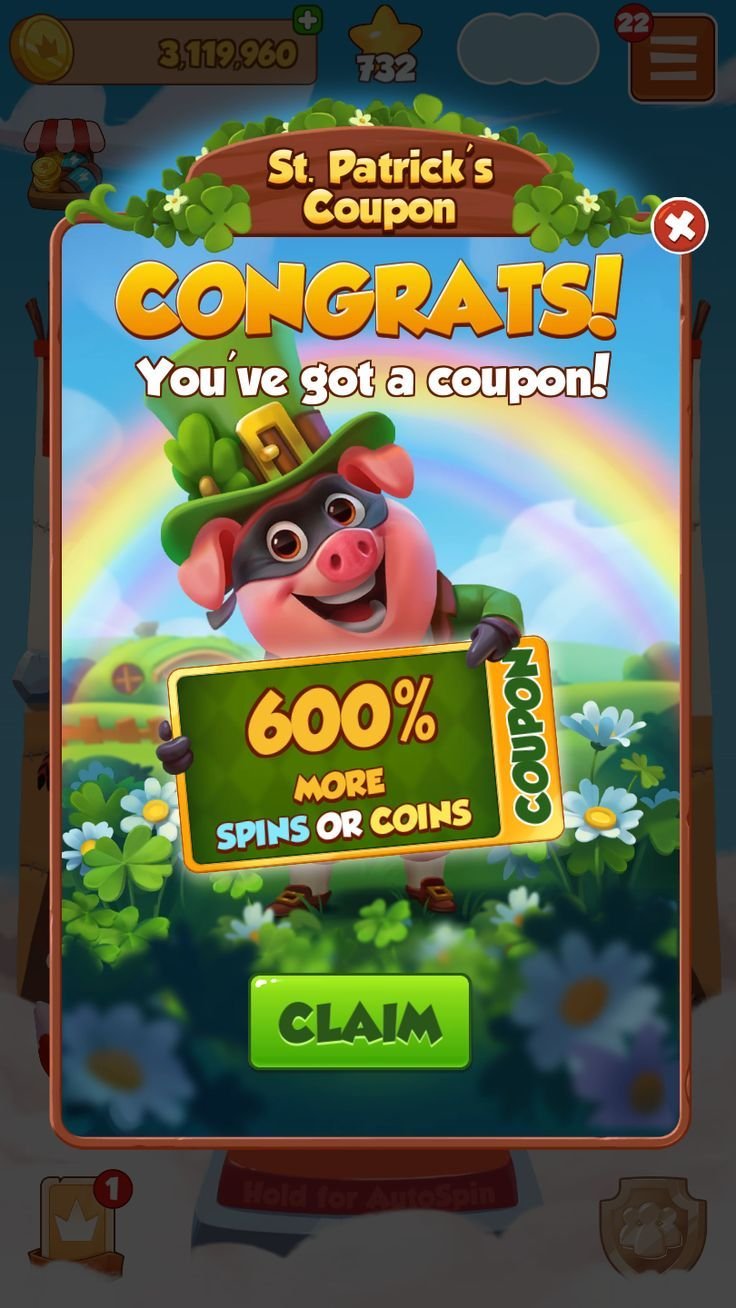
Cross‑Platform Play and Cloud Gaming
Cloud services let a single game run on a phone, a smart TV and a laptop with identical graphics. This flexibility means users can start a session on a bus and finish it at home without losing progress. In 2022, 18 % of UK gamers reported using cloud gaming for at least one title, up from 10 % a year earlier.
Monetisation Models That Fit Modern Budgets
Freemium and battle‑royale titles rely on cosmetic micro‑transactions rather than upfront purchases. A recent survey showed that 42 % of UK players spent between £5–£20 per month on skins and emotes, a figure that has grown steadily. While this model lowers entry barriers, it also exposes players with limited disposable income to high‑frequency spending.
Online casino platforms now incorporate similar micro‑transaction mechanics, offering instant play and rapid reward cycles that mirror mobile gaming’s addictive loop.
Regulatory Impact and Consumer Protection
The UK Gambling Commission has tightened age‑verification for mobile games that include gambling mechanics. Developers now embed a mandatory age check before any in‑app purchase can be made. This has cut under‑age spending by 12 % in the first year of implementation, but it also slows the checkout flow, leading some users to abandon carts.
Environmental Footprint
Running games on mobile devices consumes less energy than dedicated consoles. A 2023 analysis estimated that a typical mobile gaming session uses 0.02 kWh of electricity, compared with 0.15 kWh for a console. While the difference per session is small, the cumulative effect across millions of users is a noticeable reduction in carbon emissions.
As mobile gaming evolves, it is reshaping the UK entertainment landscape by offering instant, personalised, and socially connected experiences. The blend of low entry cost, high engagement, and cross‑device play makes it a powerful alternative to traditional media. Check here for a deeper look into how this trend is influencing other sectors of the entertainment industry.
Frequently Asked Questions
Why is mobile gaming becoming so popular in the UK?
Because it’s convenient, requires less storage, and offers instant access to a wide variety of games, making it a one‑stop entertainment solution.
What are the storage differences between mobile and console games?
Console titles often need 20–30 GB, while most mobile games only use 300–500 MB, allowing users to enjoy high quality gameplay without large downloads.
How can I ensure the apps I download are safe?
Always download from reputable stores, read user reviews, and keep your device’s security software updated to avoid malware and privacy risks.
What are the best ways to manage my gaming time on mobile?
Use built‑in screen‑time tools, set daily limits, and schedule breaks to prevent overuse and maintain a healthy balance.